Description
Certification Name: Certificate in Concept Environment Artist
Course Id: CCEA/Q0001.
Eligibility: Graduation or Equivalent.
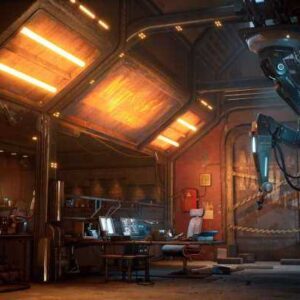
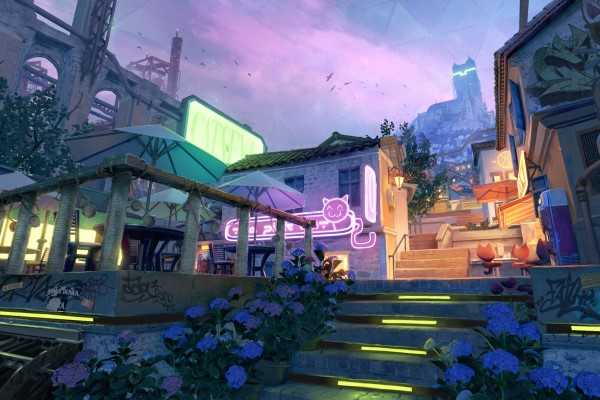
Objective: The Certified Concept Environment Artist course is designed to equip participants with the knowledge and skills to create compelling and immersive digital environments for games, films, animation, and virtual experiences. The course covers environment design principles, digital painting, 3D modeling, lighting, composition, color theory, perspective, storytelling through environments, and industry-standard software tools.
Duration: Three Month.
 How to Enroll and Get Certified in Your Chosen Course:
 Step 1: Choose the course you wish to get certified in.
Step 2: Click on the “Enroll Now” button.
Step 3: Proceed with the enrollment process.
Step 4: Enter your billing details and continue to course fee payment.
Step 5: You will be redirected to the payment gateway. Pay the course and exam fee using one of the following methods:
Debit/Credit Card, Wallet, Paytm, Net Banking, UPI, or Google Pay.
Step 6: After successful payment, you will receive your study material login ID and password via email within 48 hours of fee payment.
Step 7: Once you complete the course, take the online examination.
Step 8: Upon passing the examination, you will receive:
• A soft copy (scanned) of your certificate via email within 7 days of examination.
• A hard copy (original with official seal and signature) sent to your address within 45 day of declaration of result.
Step 9: After certification, you will be offered job opportunities aligned with your area of interest.
Online Examination Detail:
Duration- 60 minutes.
No. of Questions- 30. (Multiple Choice Questions).
Maximum Marks- 100, Passing Marks- 40%.
There is no negative marking in this module.
| Marking System: | ||||||
| S.No. | No. of Questions | Marks Each Question | Total Marks | |||
| 1 | 10 | 5 | 50 | |||
| 2 | 5 | 4 | 20 | |||
| 3 | 5 | 3 | 15 | |||
| 4 | 5 | 2 | 10 | |||
| 5 | 5 | 1 | 5 | |||
| 30 | 100 | |||||
| How Students will be Graded: | ||||||
| S.No. | Marks | Grade | ||||
| 1 | 91-100 | O (Outstanding) | ||||
| 2 | 81-90 | A+ (Excellent) | ||||
| 3 | 71-80 | A (Very Good) | ||||
| 4 | 61-70 | B (Good) | ||||
| 5 | 51-60 | C (Average) | ||||
| 6 | 40-50 | P (Pass) | ||||
| 7 | 0-40 | F (Fail) | ||||
 Key Benefits of Certification- Earning a professional certification not only validates your skills but also enhances your employability. Here are the major benefits you gain:
 Practical, Job-Ready Skills – Our certifications are designed to equip you with real-world, hands-on skills that match current industry demands — helping you become employment-ready from day one.
 Lifetime Validity – Your certification is valid for a lifetime — no renewals or expirations. It serves as a permanent proof of your skills and training.
 Lifetime Certificate Verification – Employers and institutions can verify your certification anytime through a secure and reliable verification system — adding credibility to your qualifications.
 Industry-Aligned Certification –All certifications are developed in consultation with industry experts to ensure that what you learn is current, relevant, and aligned with market needs.
 Preferred by Employers – Candidates from ISO-certified institutes are often prioritized by recruiters due to their exposure to standardized, high-quality training.
 Free Job Assistance Based on Your Career Interests – Receive personalized job assistance and career guidance in your preferred domain, helping you land the right role faster.
Assessment Modules:
Module 1: Fundamentals of Environment Art: Introduction to environment art, Principles of visual storytelling, Elements of design (line, shape, color, texture), Composition and perspective, Understanding mood and atmosphere, Case studies of environment art in games and films
Module 2: Drawing and Digital Illustration: Traditional drawing techniques, Sketching and concept thumbnails, Digital painting basics, Lighting and shading in 2D art, Perspective and spatial understanding, Color theory and palettes
Module 3: 3D Modeling and Texturing: Introduction to 3D modeling software (Maya, Blender, 3ds Max), Creating environment assets, UV mapping and texturing, Material creation and application, Optimizing assets for performance, Integrating 3D assets into scenes
Module 4: Environment Design and World-Building: Designing believable and immersive worlds, Architectural and natural environment concepts, Scale and proportion in environments, Story-driven environment creation, Environmental storytelling techniques, Concept-to-final art pipeline
Module 5: Lighting, Rendering, and Visual Effects: Understanding light and shadow, Global illumination and ambient occlusion, Mood and atmosphere through lighting, Rendering techniques and software, Visual effects integration (fog, particles, weather), Post-processing and color grading
Module 6: Portfolio Development and Industry Practices: Creating a professional environment art portfolio, Presenting concepts effectively, Industry-standard workflows and pipelines, Collaboration with game designers and 3D artists, Feedback and iteration processes, Staying updated with trends and continuous skill development
Career Opportunities After Certificate in Concept Environment Artist
After successful completion of the Certificate in Concept Environment Artist, graduates can work in animation studios, game development companies, VFX production houses, film and TV studios, advertising agencies, and freelance digital art projects. The program equips professionals with skills in environment design, digital painting, 3D concept visualization, and scene creation for immersive media experiences.
1. Concept Environment Artist
Role: Creates digital concept art, backgrounds, and environment designs for games, films, and animation projects.
Salary Range (India): ₹4 – 7 LPA (Entry Level); ₹10 – 18 LPA (Experienced)
2. 2D Environment Illustrator
Role: Designs detailed 2D environments, matte paintings, and illustrations for games, movies, and advertising campaigns.
Salary Range: ₹4 – 7 LPA (Entry Level); ₹9 – 16 LPA (Experienced)
3. 3D Environment Artist
Role: Builds 3D models, textures, and assets for game environments and film sets.
Salary Range: ₹5 – 8 LPA (Entry Level); ₹12 – 20 LPA (Experienced)
4. Matte Painter
Role: Creates realistic or stylized matte paintings for films, advertisements, and animations.
Salary Range: ₹5 – 8 LPA (Entry Level); ₹12 – 22 LPA (Experienced)
5. Game Environment Designer
Role: Designs immersive game worlds, levels, and environments aligned with game mechanics and storytelling.
Salary Range: ₹5.5 – 9 LPA (Entry Level); ₹12 – 24 LPA (Experienced)
6. Concept Artist – Film & Animation
Role: Develops environment concepts, scene layouts, and storyboards for animated films or cinematic sequences.
Salary Range: ₹4.5 – 8 LPA (Entry Level); ₹10 – 20 LPA (Experienced)
7. Visual Development Artist
Role: Creates mood, lighting, and atmosphere concepts for environments to support production teams.
Salary Range: ₹5 – 9 LPA (Entry Level); ₹12 – 22 LPA (Experienced)
8. Freelance Environment Artist
Role: Offers digital art services, environment illustrations, and 3D designs for independent clients or studios.
Income Potential: ₹8 – 25 LPA+ (Freelance / Project-Based)
9. Virtual Production Artist
Role: Designs and implements virtual environments for AR/VR, films, and interactive experiences.
Salary Range: ₹6 – 10 LPA (Entry Level); ₹14 – 28 LPA (Experienced)
10. Lead Environment Artist / Art Director
Role: Oversees environment design teams, manages artistic direction, and ensures creative consistency across projects.
Salary Range: ₹8 – 15 LPA (Experienced); ₹20 – 45 LPA+ (Senior / Leadership)
Career Progression
With 3–7 years of experience, professionals can progress to roles such as Senior Environment Artist, Art Director, Lead Concept Artist, or Independent Visual Consultant, earning ₹15 – 50 LPA+, depending on specialization and studio scale.
Key Highlights
• High demand in animation, gaming, VFX, film, and digital media industries
• Creative role with focus on environment visualization, digital painting, and scene design
• Opportunities in 2D, 3D, AR/VR, and cinematic production pipelines
• Clear growth from artist to lead, art director, or freelance consultant
• Excellent scope for international projects, remote work, and independent creative ventures