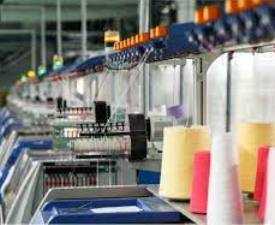
Description
Course Name: Certificate in Textile Production & Quality Management
Course Id: CTPQM/Q0001.
Eligibility: Completion of 10+2 (higher Secondary) or equivalent.
Objective: The Certificate in Textile Production & Quality Management is an excellent choice for individuals interested in pursuing a managerial career in the textile, fashion, or apparel industries. This program provides the technical, creative, and business-oriented skills necessary to succeed in the highly competitive textile sector.
Duration: Three Months.
 How to Enroll and Get Certified in Your Chosen Course:
 Step 1: Choose the course you wish to get certified in.
Step 2: Click on the “Enroll Now” button.
Step 3: Proceed with the enrollment process.
Step 4: Enter your billing details and continue to course fee payment.
Step 5: You will be redirected to the payment gateway. Pay the course and exam fee using one of the following methods:
Debit/Credit Card, Wallet, Paytm, Net Banking, UPI, or Google Pay.
Step 6: After successful payment, you will receive your study material login ID and password via email within 48 hours of fee payment.
Step 7: Once you complete the course, take the online examination.
Step 8: Upon passing the examination, you will receive:
• A soft copy (scanned) of your certificate via email within 7 days of examination.
• A hard copy (original with official seal and signature) sent to your address within 45 day of declaration of result.
Step 9: After certification, you will be offered job opportunities aligned with your area of interest.
Online Examination Detail:
Duration- 60 minutes.
No. of Questions- 30. (Multiple Choice Questions).
Maximum Marks- 100, Passing Marks- 40%.
There is no negative marking in this module.
| Marking System: | ||||||
| S.No. | No. of Questions | Marks Each Question | Total Marks | |||
| 1 | 10 | 5 | 50 | |||
| 2 | 5 | 4 | 20 | |||
| 3 | 5 | 3 | 15 | |||
| 4 | 5 | 2 | 10 | |||
| 5 | 5 | 1 | 5 | |||
| 30 | 100 | |||||
| How Students will be Graded: | ||||||
| S.No. | Marks | Grade | ||||
| 1 | 91-100 | O (Outstanding) | ||||
| 2 | 81-90 | A+ (Excellent) | ||||
| 3 | 71-80 | A (Very Good) | ||||
| 4 | 61-70 | B (Good) | ||||
| 5 | 51-60 | C (Average) | ||||
| 6 | 40-50 | P (Pass) | ||||
| 7 | 0-40 | F (Fail) | ||||
 Key Benefits of Certification- Earning a professional certification not only validates your skills but also enhances your employability. Here are the major benefits you gain:
 Practical, Job-Ready Skills – Our certifications are designed to equip you with real-world, hands-on skills that match current industry demands — helping you become employment-ready from day one.
 Lifetime Validity – Your certification is valid for a lifetime — no renewals or expirations. It serves as a permanent proof of your skills and training.
 Lifetime Certificate Verification – Employers and institutions can verify your certification anytime through a secure and reliable verification system — adding credibility to your qualifications.
 Industry-Aligned Certification –All certifications are developed in consultation with industry experts to ensure that what you learn is current, relevant, and aligned with market needs.
 Preferred by Employers – Candidates from ISO-certified institutes are often prioritized by recruiters due to their exposure to standardized, high-quality training.
 Free Job Assistance Based on Your Career Interests – Receive personalized job assistance and career guidance in your preferred domain, helping you land the right role faster.
Syllabus
Introduction to Textile Industry: Overview of the Textile Industry, History and Evolution of Textiles, Key Segments in the Textile Sector, Global Textile Market Trends, Role of Textile Industry in Economic Development, Major Textile Producing Countries, Textile Trade and Export Policies, Impact of Technology on Textiles, Sustainable and Eco-Friendly Textile Practices, Career Opportunities in Textile Management.
Textile Fibers and Raw Materials: Classification of Textile Fibers, Natural vs. Synthetic Fibers, Properties and Applications of Cotton, Wool, Silk, and Linen, Synthetic Fibers: Polyester, Nylon, Acrylic, and Spandex, Specialty Fibers and Innovations, Fiber Blends and Their Advantages, Fiber Testing and Quality Standards, Raw Material Sourcing and Supply Chain, Impact of Fiber Selection on Fabric Performance, Future Trends in Fiber Development.
Yarn Manufacturing and Spinning Technology: Introduction to Yarn Formation, Types of Yarn and Their Applications, Spinning Processes: Ring, Rotor, and Air-Jet Spinning, Yarn Count, Twist, and Strength Analysis, Blending and Mixing Techniques, Modern Spinning Machinery, Quality Control in Yarn Production, Common Defects in Yarn Manufacturing, Sustainability in Spinning, Advances in Smart Yarns and Functional Fibers.
Fabric Manufacturing and Weaving Technology: Fabric Formation Techniques, Weaving Fundamentals and Loom Operations, Types of Weaves and Their Applications, Knitting Technology and Warp vs. Weft Knitting, Non-Woven Fabrics and Technical Textiles, Computerized Weaving and CAD Applications, Fabric Defects and Quality Control, Sustainability in Fabric Manufacturing, Cost Optimization in Weaving, Innovations in Smart Fabrics and Wearable Textiles.
Textile Dyeing, Printing, and Finishing: Introduction to Textile Coloring Techniques, Types of Dyes and Their Properties, Dyeing Processes for Natural and Synthetic Fibers, Printing Techniques: Screen, Digital, and Sublimation, Fabric Finishing Processes: Mechanical and Chemical, Sustainable Dyeing and Eco-Friendly Chemicals, Color Fastness Testing and Quality Standards, Impact of Finishing on Fabric Performance, Latest Trends in Smart and Functional Finishes, Waste Management in Textile Processing.
Textile Quality Control and Standards: Importance of Quality Control in Textiles, Testing Methods for Fibers, Yarns, and Fabrics, ISO and Other International Quality Standards, Defect Identification and Troubleshooting, Advanced Laboratory Testing Equipment, Role of Automation in Quality Control, Sustainable and Ethical Quality Practices, Consumer Expectations and Market Trends, Legal Regulations and Compliance, Case Studies in Textile Quality Management.
Job Opportunities after completion of Certificate in Textile Production & Quality Management course:
After successful completion of the Certificate in Textile Production & Quality Management program, graduates are equipped with specialized knowledge and skills related to the textile industry, including production, operations, marketing, and business management. This qualification opens up a range of exciting career opportunities in various sectors of the textile and apparel industries, including manufacturing, retail, sourcing, and design.
Career Options After Completing the ACertificate in Textile Production & Quality Management:
- Textile Manager:
- A textile manager oversees the production and operational aspects of textile manufacturing, ensuring that products meet quality standards, production targets are met, and processes are efficient and cost-effective. This role often involves managing teams and liaising between various departments.
- Production Manager (Textiles):
- Production managers in the textile industry are responsible for overseeing the production process, ensuring that textile products are manufactured on time and within budget. They handle logistics, production scheduling, and quality control to ensure that production runs smoothly.
- Textile Designer:
- Textile designers create patterns, designs, and fabric compositions for clothing, upholstery, and other textile-based products. They work with textile manufacturers or design firms to create innovative and marketable designs for various applications.
- Quality Control Manager:
- Quality control managers ensure that textile products meet both industry standards and customer expectations for quality, durability, and design. They implement quality control systems, conduct inspections, and oversee testing procedures to ensure high-quality outputs.
- Fabric Technologist:
- Fabric technologists are responsible for selecting, testing, and developing textile fabrics. They work on improving the functionality and aesthetics of fabrics, ensuring that textiles meet required specifications for different uses, such as clothing, medical, or industrial purposes.
- Sourcing Manager:
- Sourcing managers are responsible for procuring raw materials such as fibers, yarn, and fabrics from suppliers. They work closely with vendors, negotiate prices, and ensure that sourcing activities are done ethically and sustainably. Their role is key in maintaining cost-efficiency and quality control.
- Textile Merchandiser:
- A textile merchandiser manages the sales and distribution of textile products. They work closely with manufacturers, retailers, and suppliers to ensure that textile products are available to customers at the right price, quantity, and quality. They often manage product development and inventory as well.
- Apparel Merchandiser:
- Apparel merchandisers focus specifically on clothing and fashion. They plan and coordinate the production and retail processes for fashion items, ensuring that garments are produced, marketed, and delivered on time to meet market demands.
- Textile Export Manager:
- Textile export managers handle the international sales and distribution of textile products. They focus on market research, identifying international buyers, managing export documentation, and ensuring compliance with international trade regulations.
- Textile Production Planner:
- A production planner in the textile industry is responsible for creating production schedules and ensuring that manufacturing processes run efficiently. They work with supply chain managers and production teams to optimize resources and meet deadlines.
- Fabric Sales Manager:
- Fabric sales managers work for textile manufacturers or fabric wholesalers. They are responsible for driving sales, identifying new business opportunities, and maintaining relationships with clients such as clothing manufacturers, designers, and retailers.
- Retail Manager (Textiles & Apparel):
- Retail managers in the textile and apparel industry oversee the sales and operation of textile retail stores. They manage inventory, staffing, marketing, and customer service, ensuring that the retail business meets financial targets and delivers a great shopping experience.
- Supply Chain Manager (Textiles):
- Supply chain managers in textiles handle the flow of raw materials and finished goods from suppliers to manufacturers and retailers. They manage logistics, inventory, transportation, and production schedules to ensure a smooth and cost-effective supply chain process.
- Textile Industry Consultant:
- Graduates with expertise in textile management can work as consultants, advising textile companies on operations, production strategies, supply chain management, and marketing. They help companies improve efficiency, reduce costs, and stay competitive.
- Sustainability Manager (Textiles):
- Sustainability managers in the textile industry focus on reducing environmental impacts and promoting ethical practices. They work on initiatives to use eco-friendly materials, reduce waste, and improve sustainability throughout the production process.
- Textile Research and Development (R&D):
- R&D professionals in the textile industry focus on developing new fibers, fabrics, and textile technologies. They work in labs and testing environments to innovate and improve existing textile products, making them more durable, functional, or environmentally friendly.
- Fashion Buying Manager:
- Fashion buying managers focus on selecting and purchasing textile products for fashion retailers. They research trends, negotiate with suppliers, and ensure that the right products are available to meet customer demand while maintaining profitability.
- Textile Marketing Manager:
- Textile marketing managers focus on promoting textile products to various market segments. They create marketing strategies, plan campaigns, and collaborate with design and sales teams to ensure that textile products reach the target audience effectively.
- Textile Equipment/ Machinery Sales Representative:
- Sales representatives specializing in textile machinery and equipment sell machinery to textile manufacturers. They need to understand the technical aspects of the machinery and develop relationships with manufacturers to meet their needs.
- Dyeing and Printing Manager:
- Dyeing and printing managers oversee the processes of dyeing and printing textiles. They manage production lines, ensure quality control, and supervise the application of dyes and prints on fabrics for a variety of uses, including fashion and interior textiles.
Salary Range:
The salary for graduates of the Advance Diploma in Textile Management can vary based on the position, experience, and location. Here are the typical salary ranges:
- Entry-Level Positions (0-2 years of experience):
- Salary Range: ₹3 LPA – ₹6 LPA
- Fresh graduates starting in positions such as textile merchandisers, junior production managers, or quality control associates can expect salaries between ₹3 lakh and ₹6 lakh per annum.
- Mid-Level Positions (3-5 years of experience):
- Salary Range: ₹6 LPA – ₹10 LPA
- With 3-5 years of experience, professionals in mid-level roles like textile designers, sourcing managers, or production planners may earn between ₹6 lakh and ₹10 lakh annually.
- Senior-Level Positions (5+ years of experience):
- Salary Range: ₹10 LPA – ₹15 LPA
- Senior roles such as textile managers, quality control managers, or supply chain managers typically earn between ₹10 lakh and ₹15 lakh annually.
- Specialized Roles (Textile R&D, Sustainability Manager):
- Salary Range: ₹6 LPA – ₹12 LPA
- Specialized roles such as research and development experts, sustainability managers, or senior production engineers often earn between ₹6 lakh and ₹12 lakh annually.
- Top Management Roles (Textile Operations Director, Vice President):
- Salary Range: ₹15 LPA – ₹25 LPA or more
- Senior management roles, including textile operations directors or vice presidents in large textile firms, may earn between ₹15 lakh and ₹25 lakh per year, depending on the organization and its scale.
- Freelance and Consultant Roles:
- Income Range: Varies widely
- Freelance consultants or advisors specializing in textile management can expect varying incomes, typically between ₹8 lakh and ₹20 lakh annually, depending on their expertise and client base.
Industries and Sectors for Career Opportunities:
- Textile Manufacturing:
- Large textile manufacturers often hire professionals to manage production, quality control, and supply chain processes. This is one of the largest sectors for textile management graduates.
- Apparel Industry:
- Fashion brands, retailers, and garment manufacturing units require textile management professionals to handle design, sourcing, production, and distribution of clothing.
- Home Textiles:
- Companies specializing in home textiles (such as bed linens, curtains, and upholstery) also offer a wide range of career opportunities for textile management graduates, including product development, merchandising, and marketing roles.
- Retail and E-commerce:
- Textile professionals play a key role in the retail sector, managing product assortment, merchandising, and sales in both physical and online stores.
- Textile Exporting:
- Graduates can work in textile exporting companies, handling international trade, logistics, and sales of textile products to overseas markets.
- Textile Machinery and Equipment:
- Graduates can work with companies that design, manufacture, and sell textile machinery. These roles often involve sales, maintenance, and technical support.
- Textile and Fashion Consultancy:
- Graduates with an advanced diploma can offer consultancy services to textile companies, helping them improve their production processes, sustainability practices, and market strategies.
- Sustainability and Eco-Friendly Textiles:
- The growing focus on sustainable and eco-friendly products has opened up career paths in green textile manufacturing, with roles focusing on reducing the environmental impact of textile production.
- Textile Design Studios:
- Many graduates choose to work in design studios, collaborating with other creatives to produce unique patterns, prints, and textiles for the fashion and interior design markets.
Conclusion:
An Certificate in Textile Production & Quality Management provides graduates with the expertise needed to thrive in the textile industry. With diverse career opportunities available in manufacturing, design, retail, and more, graduates can find roles in a variety of sectors. The growing demand for skilled professionals in the textile sector, combined with attractive salary packages, makes this program an excellent choice for those interested in pursuing a successful career in textile and fashion management.