Description
Certification Name: Certificate in Layout and Composition Specialist
Course Id: CLCS/Q0001.
Eligibility: Graduation or Equivalent.
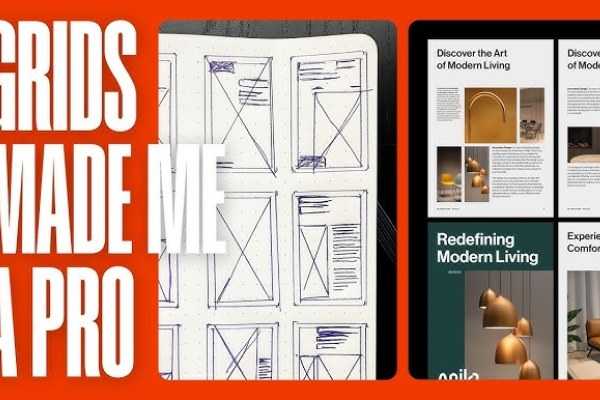
Objective: The Certified Layout and Composition Specialist course is crafted to develop professional expertise in designing visually appealing and well-structured layouts for print and digital media. The course covers the foundational principles of design, including balance, alignment, proximity, hierarchy, contrast, white space, and typography. Participants will learn to use industry-standard software like Adobe InDesign, Illustrator, and QuarkXPress to create layouts for magazines, books, brochures, newsletters, posters, and web content.
Duration: Three Month.
 How to Enroll and Get Certified in Your Chosen Course:
 Step 1: Choose the course you wish to get certified in.
Step 2: Click on the “Enroll Now” button.
Step 3: Proceed with the enrollment process.
Step 4: Enter your billing details and continue to course fee payment.
Step 5: You will be redirected to the payment gateway. Pay the course and exam fee using one of the following methods:
Debit/Credit Card, Wallet, Paytm, Net Banking, UPI, or Google Pay.
Step 6: After successful payment, you will receive your study material login ID and password via email within 48 hours of fee payment.
Step 7: Once you complete the course, take the online examination.
Step 8: Upon passing the examination, you will receive:
• A soft copy (scanned) of your certificate via email within 7 days of examination.
• A hard copy (original with official seal and signature) sent to your address within 45 day of declaration of result.
Step 9: After certification, you will be offered job opportunities aligned with your area of interest.
Online Examination Detail:
Duration- 60 minutes.
No. of Questions- 30. (Multiple Choice Questions).
Maximum Marks- 100, Passing Marks- 40%.
There is no negative marking in this module.
| Marking System: | ||||||
| S.No. | No. of Questions | Marks Each Question | Total Marks | |||
| 1 | 10 | 5 | 50 | |||
| 2 | 5 | 4 | 20 | |||
| 3 | 5 | 3 | 15 | |||
| 4 | 5 | 2 | 10 | |||
| 5 | 5 | 1 | 5 | |||
| 30 | 100 | |||||
| How Students will be Graded: | ||||||
| S.No. | Marks | Grade | ||||
| 1 | 91-100 | O (Outstanding) | ||||
| 2 | 81-90 | A+ (Excellent) | ||||
| 3 | 71-80 | A (Very Good) | ||||
| 4 | 61-70 | B (Good) | ||||
| 5 | 51-60 | C (Average) | ||||
| 6 | 40-50 | P (Pass) | ||||
| 7 | 0-40 | F (Fail) | ||||
 Key Benefits of Certification- Earning a professional certification not only validates your skills but also enhances your employability. Here are the major benefits you gain:
 Practical, Job-Ready Skills – Our certifications are designed to equip you with real-world, hands-on skills that match current industry demands — helping you become employment-ready from day one.
 Lifetime Validity – Your certification is valid for a lifetime — no renewals or expirations. It serves as a permanent proof of your skills and training.
 Lifetime Certificate Verification – Employers and institutions can verify your certification anytime through a secure and reliable verification system — adding credibility to your qualifications.
 Industry-Aligned Certification –All certifications are developed in consultation with industry experts to ensure that what you learn is current, relevant, and aligned with market needs.
 Preferred by Employers – Candidates from ISO-certified institutes are often prioritized by recruiters due to their exposure to standardized, high-quality training.
 Free Job Assistance Based on Your Career Interests – Receive personalized job assistance and career guidance in your preferred domain, helping you land the right role faster.
Assessment Modules:
Module 1: Fundamentals of Layout and Composition: Principles of design (balance, contrast, alignment, proximity), Elements of visual hierarchy and focal points, Types of layout structures (grid, column, modular), Understanding white space and visual rhythm, Introduction to page geometry and margins, Role of layout in visual communication.
Module 2: Typography and Text Arrangement: Basics of typefaces and font classification, Text alignment, spacing, and justification techniques, Pairing and hierarchy in typography, Using typography to guide the reader’s eye, Readability and legibility considerations, Creating typographic compositions for different media.
Module 3: Grids, Alignment, and Visual Flow: Setting up and using baseline and modular grids, Column structures for print and digital layouts, Alignment techniques for consistency, Creating flow through alignment and repetition, Building templates with consistent structure, Best practices in responsive layout design.
Module 4: Image Placement and Visual Balance: Choosing and placing images effectively in layouts, Cropping and scaling images for visual impact, Using color and contrast to balance visual weight, Layering and overlapping elements with harmony, Combining text and visuals for storytelling, Guidelines for ethical and legal image use.
Module 5: Layout Design Tools and Software: Overview of layout design software (Adobe InDesign, Affinity Publisher), Working with artboards, layers, and master pages, Creating and managing style guides and libraries, Integrating vector and raster graphics into layouts, Exporting and packaging files for print and digital, Designing layouts for different formats (flyers, magazines, web).
Module 6: Advanced Composition Projects and Evaluation: Designing multi-page documents and editorial spreads, Creating brand-compliant marketing materials, Layouts for advertising and promotional content, User-centered design for UI layout composition, Final project: layout design from concept to delivery, Portfolio building and professional presentation of layout work.
🎓 Career Opportunities After Certificate in Layout and Composition Specialist
A Certificate in Layout and Composition Specialist equips professionals with skills in page layout design, typography, visual hierarchy, grid systems, print and digital publishing standards, and composition techniques used in magazines, books, newspapers, marketing materials, and digital content platforms.
1️⃣ Layout Designer
Key Responsibilities: Design structured page layouts for magazines, brochures, books, catalogs, and digital publications, apply grid systems and typography principles, balance text and visuals, and ensure professional and print-ready composition standards.
Salary in India: ₹2.5 – ₹5 LPA at entry level, ₹6 – ₹9 LPA with experience, and ₹10 – ₹16 LPA at senior level.
2️⃣ Publication Designer
Key Responsibilities: Create visually appealing layouts for newspapers, magazines, e-books, and journals, manage typography and spacing, coordinate with editors and content teams, and ensure consistency across publications.
Salary in India: ₹3 – ₹6 LPA for freshers and ₹7 – ₹14 LPA with experience.
3️⃣ DTP (Desktop Publishing) Specialist
Key Responsibilities: Format and design print-ready documents, adjust text alignment and image placement, prepare files for printing, manage fonts and layout corrections, and ensure compliance with publishing standards.
Salary in India: ₹2 – ₹4 LPA at entry level and ₹5 – ₹8 LPA with experience.
4️⃣ Print Production Designer
Key Responsibilities: Prepare final artwork for printing, check margins and bleed settings, manage color specifications, coordinate with printing teams, and ensure accurate production output.
Salary in India: ₹3 – ₹6 LPA at entry level and ₹7 – ₹12 LPA with experience.
5️⃣ Digital Content Layout Designer
Key Responsibilities: Design structured layouts for websites, e-magazines, digital brochures, and marketing materials, optimize readability, apply responsive composition principles, and maintain brand visual consistency.
Salary in India: ₹3 – ₹7 LPA at entry level and ₹8 – ₹15 LPA with experience.
6️⃣ Freelance Layout & Composition Specialist
Key Responsibilities: Provide professional layout design services for books, magazines, brochures, reports, and digital content, manage client revisions, ensure high-quality typography and composition, and deliver print-ready or digital-ready files.
Earning Potential in India: ₹20,000 – ₹1,20,000+ per month or ₹2,000 – ₹30,000+ per project depending on expertise and client portfolio.
📈 Career Growth Path
Layout Designer → Senior Publication Designer → Creative Lead → Production Manager → Art Director
With advanced skills in branding, advanced typography, digital publishing tools, and creative direction, salary potential can grow up to ₹15 – ₹30 LPA within 6–8 years in publishing houses, advertising agencies, printing companies, and corporate media departments.