Description
Course Name: Certificate in Food Processing and Quality Management
Course Id: CFPQM/Q1001.
Eligibility: Completion of 10+2 (higher Secondary) or equivalent.
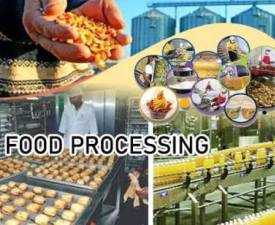
Objective: The Certificate in Food Processing and Quality Management is an excellent choice for individuals interested in building a career in the food industry. By providing a strong foundation in food processing, safety, and quality management, this diploma equips graduates with the skills needed to succeed in a rapidly evolving industry that emphasizes innovation, food safety, and sustainability.
Duration: Three Months.
 How to Enroll and Get Certified in Your Chosen Course:
 Step 1: Choose the course you wish to get certified in.
Step 2: Click on the “Enroll Now” button.
Step 3: Proceed with the enrollment process.
Step 4: Enter your billing details and continue to course fee payment.
Step 5: You will be redirected to the payment gateway. Pay the course and exam fee using one of the following methods:
Debit/Credit Card, Wallet, Paytm, Net Banking, UPI, or Google Pay.
Step 6: After successful payment, you will receive your study material login ID and password via email within 48 hours of fee payment.
Step 7: Once you complete the course, take the online examination.
Step 8: Upon passing the examination, you will receive:
• A soft copy (scanned) of your certificate via email within 7 days of examination.
• A hard copy (original with official seal and signature) sent to your address within 45 day of declaration of result.
Step 9: After certification, you will be offered job opportunities aligned with your area of interest.
Online Examination Detail:
Duration- 60 minutes.
No. of Questions- 30. (Multiple Choice Questions).
Maximum Marks- 100, Passing Marks- 40%.
There is no negative marking in this module.
| Marking System: | ||||||
| S.No. | No. of Questions | Marks Each Question | Total Marks | |||
| 1 | 10 | 5 | 50 | |||
| 2 | 5 | 4 | 20 | |||
| 3 | 5 | 3 | 15 | |||
| 4 | 5 | 2 | 10 | |||
| 5 | 5 | 1 | 5 | |||
| 30 | 100 | |||||
| How Students will be Graded: | ||||||
| S.No. | Marks | Grade | ||||
| 1 | 91-100 | O (Outstanding) | ||||
| 2 | 81-90 | A+ (Excellent) | ||||
| 3 | 71-80 | A (Very Good) | ||||
| 4 | 61-70 | B (Good) | ||||
| 5 | 51-60 | C (Average) | ||||
| 6 | 40-50 | P (Pass) | ||||
| 7 | 0-40 | F (Fail) | ||||
 Key Benefits of Certification- Earning a professional certification not only validates your skills but also enhances your employability. Here are the major benefits you gain:
 Practical, Job-Ready Skills – Our certifications are designed to equip you with real-world, hands-on skills that match current industry demands — helping you become employment-ready from day one.
 Lifetime Validity – Your certification is valid for a lifetime — no renewals or expirations. It serves as a permanent proof of your skills and training.
 Lifetime Certificate Verification – Employers and institutions can verify your certification anytime through a secure and reliable verification system — adding credibility to your qualifications.
 Industry-Aligned Certification –All certifications are developed in consultation with industry experts to ensure that what you learn is current, relevant, and aligned with market needs.
 Preferred by Employers – Candidates from ISO-certified institutes are often prioritized by recruiters due to their exposure to standardized, high-quality training.
 Free Job Assistance Based on Your Career Interests – Receive personalized job assistance and career guidance in your preferred domain, helping you land the right role faster.
Syllabus
Introduction to Food Processing: Importance and scope of food processing, Types of food processing industries, Primary, secondary, and tertiary processing, Food preservation techniques, Factors affecting food spoilage, Role of food processing in reducing food waste, Nutritional impact of food processing, Emerging trends in food processing, Regulatory framework for food processing.
Principles of Food Preservation: Importance of food preservation, Thermal processing methods (pasteurization, sterilization), Refrigeration and freezing techniques, Dehydration and drying methods, Chemical preservatives and their safety, Fermentation and pickling, Vacuum and modified atmosphere packaging, Hurdle technology in food preservation, Role of irradiation in food preservation, Traditional vs. modern preservation techniques.
Food Processing Technologies: Milling and grain processing, Dairy processing techniques, Meat and poultry processing, Seafood processing methods, Fruit and vegetable processing, Baking and confectionery production, Beverage processing (juices, soft drinks, alcoholic beverages), Extrusion technology in food production, Food packaging and storage technologies.
Food Safety and Hygiene: Importance of food safety, Common foodborne pathogens and diseases, Good Manufacturing Practices (GMP), Hazard Analysis and Critical Control Points (HACCP), Personal hygiene and sanitation in food processing, Cross-contamination and allergen management, Cleaning and disinfection in food facilities, Food safety audits and inspections, Role of food safety authorities (FSSAI, FDA, WHO).
Food Quality Management: Definition and importance of food quality, Quality control vs. quality assurance, Sensory evaluation of food products, Food grading and standardization, Role of ISO and other certifications, Nutritional labeling and claims, Shelf-life determination and stability testing, Traceability in food supply chains, Techniques for detecting food adulteration.
Food Packaging and Labeling: Functions of food packaging, Types of food packaging materials, Sustainable and biodegradable packaging, Food labeling regulations and compliance, Nutritional information and health claims, Role of barcoding and QR codes, Packaging design and consumer perception, Smart packaging and nanotechnology, Food fraud and mislabeling issues.
Job Opportunities after completion of Certificate in Food Processing and Quality Management course:
After successful completion of the Certificate in Food Processing and Quality Management program, graduates are well-equipped with knowledge and skills in food processing, quality control, safety regulations, and food standards. The growing demand for processed food and the increasing focus on food safety and quality management open numerous career opportunities in the food industry.
Career Options After Completing the Certificate in Food Processing and Quality Management Program:
1. Food Processing Technician
- Role: Food processing technicians are responsible for overseeing the food processing operations, ensuring that production lines run smoothly and that food products are processed according to industry standards.
- Salary:
- Entry-level: ₹15,000–₹25,000 per month
- Mid-level: ₹25,000–₹40,000 per month
- Senior-level: ₹40,000–₹60,000 per month
2. Quality Control Analyst
- Role: A Quality Control Analyst ensures that food products meet safety and quality standards. They conduct tests on raw materials and finished products to ensure they are safe for consumption and compliant with food regulations.
- Salary:
- Entry-level: ₹20,000–₹30,000 per month
- Mid-level: ₹30,000–₹45,000 per month
- Senior-level: ₹45,000–₹70,000 per month
3. Food Safety Auditor
- Role: Food safety auditors inspect food manufacturing processes, facilities, and products to ensure compliance with food safety laws and regulations. They help businesses meet industry standards, such as ISO and HACCP (Hazard Analysis and Critical Control Points).
- Salary:
- Entry-level: ₹25,000–₹40,000 per month
- Mid-level: ₹40,000–₹60,000 per month
- Senior-level: ₹60,000–₹1,00,000 per month
4. Food Quality Assurance (QA) Manager
- Role: QA managers oversee the quality control processes in food production, develop quality standards, and ensure compliance with health and safety regulations. They supervise a team of analysts and work closely with production departments to maintain product quality.
- Salary:
- Entry-level: ₹30,000–₹50,000 per month
- Mid-level: ₹50,000–₹80,000 per month
- Senior-level: ₹80,000–₹1,20,000 per month
5. Food Production Manager
- Role: Food production managers are responsible for overseeing the manufacturing and processing of food products. They manage the entire production process, including planning, staffing, quality assurance, and compliance with safety standards.
- Salary:
- Entry-level: ₹30,000–₹45,000 per month
- Mid-level: ₹45,000–₹70,000 per month
- Senior-level: ₹70,000–₹1,00,000 per month
6. Food Processing Plant Manager
- Role: The plant manager is responsible for the overall management of food processing operations. They ensure that production targets are met, that safety regulations are followed, and that food products meet the required standards.
- Salary:
- Entry-level: ₹40,000–₹60,000 per month
- Mid-level: ₹60,000–₹1,00,000 per month
- Senior-level: ₹1,00,000–₹1,50,000 per month
7. Food Packaging Manager
- Role: Food packaging managers oversee the packaging process, ensuring that food products are packaged in compliance with safety and regulatory guidelines. They work with production teams to ensure that packaging materials preserve the quality and safety of food products.
- Salary:
- Entry-level: ₹25,000–₹35,000 per month
- Mid-level: ₹35,000–₹50,000 per month
- Senior-level: ₹50,000–₹75,000 per month
8. R&D (Research and Development) Food Scientist
- Role: R&D food scientists work on the development of new food products, improving existing products, and innovating new techniques for food processing. They ensure that food products are nutritious, safe, and meet consumer preferences.
- Salary:
- Entry-level: ₹25,000–₹40,000 per month
- Mid-level: ₹40,000–₹60,000 per month
- Senior-level: ₹60,000–₹90,000 per month
9. Food Packaging Specialist
- Role: A packaging specialist focuses on the design, development, and testing of food packaging materials and methods. They ensure that the packaging is safe, cost-effective, and meets regulatory requirements.
- Salary:
- Entry-level: ₹18,000–₹28,000 per month
- Mid-level: ₹28,000–₹40,000 per month
- Senior-level: ₹40,000–₹60,000 per month
10. Supply Chain Coordinator (Food Industry)
- Role: A supply chain coordinator in the food industry manages the flow of raw materials and finished goods from suppliers to manufacturers and then to consumers. They ensure smooth and timely delivery of food products while maintaining quality standards.
- Salary:
- Entry-level: ₹20,000–₹35,000 per month
- Mid-level: ₹35,000–₹50,000 per month
- Senior-level: ₹50,000–₹80,000 per month
11. Food Consultant
- Role: Food consultants offer advice to food businesses on aspects like product development, quality control, food safety, and process optimization. They may work independently or with food companies to improve their operations.
- Salary:
- Entry-level: ₹25,000–₹40,000 per month
- Mid-level: ₹40,000–₹60,000 per month
- Senior-level: ₹60,000–₹1,00,000 per month
Skills Acquired in the Certificate in Food Processing and Quality Management Program:
- Food Safety & Hygiene: Understanding of regulations and industry standards like FSSAI, HACCP, ISO 22000.
- Food Processing Techniques: Knowledge of food preservation methods such as drying, canning, freezing, and pasteurization.
- Quality Control and Assurance: Ability to test and ensure that food products meet quality standards and are safe for consumption.
- Packaging and Labeling: Expertise in proper food packaging techniques to maintain product quality and safety.
- Product Development: Knowledge of developing new food products that meet market demand and regulatory standards.
- Supply Chain Management: Managing the procurement, production, and distribution of food products efficiently.
Conclusion:
Graduates of the Certificate in Food Processing and Quality Management program can explore a variety of career opportunities in the food industry. Entry-level salaries in this field generally range from ₹15,000 to ₹25,000 per month, while professionals with experience in management roles can earn anywhere from ₹40,000 to ₹1,00,000+ per month. The growing focus on food safety, quality control, and sustainable food practices ensures a steady demand for skilled professionals in this sector. With India’s rapidly expanding food processing and manufacturing industry, the career prospects are abundant and offer long-term growth potential.