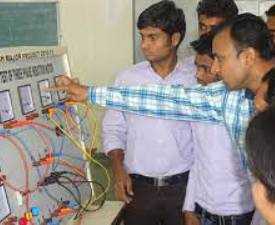
Description
Course Name: Certificate in Electrician
Course Id: CIE/Q1001.
Eligibility: 10th Grade (high school) or Equivalent.
Duration: Two Month.
Objective: The objective of this course is to provide learners with the technical knowledge and hands-on training required to become competent electricians. The course focuses on electrical systems installation, maintenance, and safety practices in residential, commercial, and industrial settings. It prepares participants for employment, self-employment, or further specialization in the electrical trade.
 How to Enroll and Get Certified in Your Chosen Course:
 Step 1: Choose the course you wish to get certified in.
Step 2: Click on the “Enroll Now” button.
Step 3: Proceed with the enrollment process.
Step 4: Enter your billing details and continue to course fee payment.
Step 5: You will be redirected to the payment gateway. Pay the course and exam fee using one of the following methods:
Debit/Credit Card, Wallet, Paytm, Net Banking, UPI, or Google Pay.
Step 6: After successful payment, you will receive your study material login ID and password via email within 48 hours of fee payment.
Step 7: Once you complete the course, take the online examination.
Step 8: Upon passing the examination, you will receive:
• A soft copy (scanned) of your certificate via email within 7 days of examination.
• A hard copy (original with official seal and signature) sent to your address within 45 day of declaration of result.
Step 9: After certification, you will be offered job opportunities aligned with your area of interest.
Online Examination Detail:
Duration- 60 minutes.
No. of Questions- 30. (Multiple Choice Questions).
Maximum Marks- 100, Passing Marks- 40%.
There is no negative marking in this module.
| Marking System: | ||||||
| S.No. | No. of Questions | Marks Each Question | Total Marks | |||
| 1 | 10 | 5 | 50 | |||
| 2 | 5 | 4 | 20 | |||
| 3 | 5 | 3 | 15 | |||
| 4 | 5 | 2 | 10 | |||
| 5 | 5 | 1 | 5 | |||
| 30 | 100 | |||||
| How Students will be Graded: | ||||||
| S.No. | Marks | Grade | ||||
| 1 | 91-100 | O (Outstanding) | ||||
| 2 | 81-90 | A+ (Excellent) | ||||
| 3 | 71-80 | A (Very Good) | ||||
| 4 | 61-70 | B (Good) | ||||
| 5 | 51-60 | C (Average) | ||||
| 6 | 40-50 | P (Pass) | ||||
| 7 | 0-40 | F (Fail) | ||||
 Key Benefits of Certification- Earning a professional certification not only validates your skills but also enhances your employability. Here are the major benefits you gain:
 Practical, Job-Ready Skills – Our certifications are designed to equip you with real-world, hands-on skills that match current industry demands — helping you become employment-ready from day one.
 Lifetime Validity – Your certification is valid for a lifetime — no renewals or expirations. It serves as a permanent proof of your skills and training.
 Lifetime Certificate Verification – Employers and institutions can verify your certification anytime through a secure and reliable verification system — adding credibility to your qualifications.
 Industry-Aligned Certification –All certifications are developed in consultation with industry experts to ensure that what you learn is current, relevant, and aligned with market needs.
 Preferred by Employers – Candidates from ISO-certified institutes are often prioritized by recruiters due to their exposure to standardized, high-quality training.
 Free Job Assistance Based on Your Career Interests – Receive personalized job assistance and career guidance in your preferred domain, helping you land the right role faster.
Syllabus:
Basics of Electrical Engineering: Introduction to electricity and its applications, Types of electrical circuits (series, parallel, combination), Ohm’s law and its applications, Electrical power and energy calculations, Basic electrical components (resistors, capacitors, inductors), Difference between AC and DC current, Electrical symbols and circuit diagrams, Conductors, insulators and semiconductors, Electrical safety rules and precautions, Importance of earthing in electrical systems.
Electrical Tools, Equipment and Safety: Types of electrician tools and their uses, Measuring instruments (multimeter, ammeter, voltmeter, megger), Cable types and wire selection, Types of switches, sockets and plugs, Handling electrical hazards and emergency procedures, Personal protective equipment (PPE) for electricians, First aid for electrical accidents, Importance of fire safety in electrical work, Insulation resistance testing, Lockout and tagout (LOTO) procedures.
Electrical Wiring and Installation Techniques: Types of wiring systems (surface, conduit, concealed, industrial), Wiring materials and their specifications, Load calculations and circuit planning, Wiring layout and planning for residential and commercial buildings, Installation of lighting and power circuits, Types of electrical conduits and fittings, Wiring fault detection and troubleshooting, Earthing and grounding techniques, Distribution board installation, Testing and commissioning of electrical installations.
Electrical Machines and Motors: Introduction to electrical machines (transformers, motors, generators), Types of electric motors and their working principles, Single-phase vs. three-phase motors, Motor control circuits and starters, Installation and maintenance of motors, Common motor faults and troubleshooting, Applications of motors in industries, Transformer operation and maintenance, Motor winding and rewinding techniques, Importance of power factor in motor efficiency.
Domestic and Industrial Electrical Systems: Household electrical circuits and appliances, Installation of fans, lights and switches, Industrial electrical wiring and safety requirements, Understanding distribution boards and circuit breakers, Overload protection and short circuit prevention, Energy-efficient electrical appliances, Maintenance of electrical equipment, Industrial automation basics, Introduction to electrical panel wiring, Testing and inspection of electrical systems.
Power Generation, Transmission and Distribution: Sources of power generation (thermal, hydro, solar, wind, nuclear), Power transmission and distribution networks, Overhead and underground transmission lines, Electrical substations and transformers, High voltage vs. low voltage distribution, Load balancing and demand management, Smart grid and energy efficiency, Renewable energy integration, Basics of electricity tariffs and billing, Role of power factor in energy conservation.
Job Opportunities after completion of Certificate in Electrician course:
After completing a Certificate in Electrician program, graduates gain essential skills for a variety of roles in the electrical industry. This certification equips individuals with the practical knowledge to install, maintain, and repair electrical systems in residential, commercial, and industrial settings. With the increasing demand for skilled electricians in India, there are numerous career opportunities available across various sectors.
Career Options for Electrician Graduates
- Electrician (Residential/Commercial/Industrial)
- Role: Electricians install and maintain electrical systems in homes, offices, factories, and other buildings. They are responsible for wiring, lighting installations, repairing electrical faults, and ensuring safety standards are met.
- Industries: Residential, Commercial, Industrial, Construction, Electrical Maintenance Companies.
- Salary Range: ₹2,00,000 – ₹4,00,000 annually (entry-level); ₹5,00,000 – ₹7,00,000 (experienced).
- Electrical Technician
- Role: Electrical technicians diagnose, repair, and maintain electrical systems and equipment. They work in various industries like manufacturing, construction, and power distribution.
- Industries: Manufacturing Plants, Power Plants, Electrical Equipment Manufacturing, Automobile Industries.
- Salary Range: ₹3,00,000 – ₹5,00,000 annually (entry-level); ₹6,00,000 – ₹8,00,000 (experienced).
- Maintenance Electrician
- Role: Maintenance electricians are responsible for the ongoing upkeep of electrical systems in industrial plants, factories, and commercial buildings. They ensure that electrical equipment is running efficiently and perform regular inspections.
- Industries: Manufacturing, Industrial Plants, Oil & Gas, Pharmaceutical Industries.
- Salary Range: ₹2,50,000 – ₹4,50,000 annually (entry-level); ₹5,00,000 – ₹7,00,000 (experienced).
- Electrical Supervisor
- Role: Electrical supervisors oversee the work of electricians and electrical technicians on construction sites or within companies. They ensure that all electrical installations are carried out according to safety standards and regulations.
- Industries: Construction, Real Estate, Manufacturing, Power Plants.
- Salary Range: ₹4,00,000 – ₹6,00,000 annually (entry-level); ₹7,00,000 – ₹10,00,000 (experienced).
- Electrical Engineer (With Further Studies)
- Role: Electrical engineers design and develop electrical systems and equipment. With a further qualification, an electrician can move into engineering roles in fields such as electrical design, power generation, or energy management.
- Industries: Energy, Construction, Power Generation, Electrical Equipment Manufacturing.
- Salary Range: ₹4,50,000 – ₹7,00,000 annually (entry-level); ₹8,00,000 – ₹12,00,000 (experienced).
- Solar Panel Technician
- Role: Solar panel technicians install, maintain, and repair solar panel systems. This role is growing in popularity due to the increasing use of renewable energy sources in India.
- Industries: Renewable Energy, Solar Power Companies, Residential and Commercial Installations.
- Salary Range: ₹2,50,000 – ₹4,00,000 annually (entry-level); ₹5,00,000 – ₹7,00,000 (experienced).
- Electrical Sales and Marketing
- Role: Professionals in this role work in the sales and marketing of electrical products, such as switches, wiring systems, electrical tools, and equipment. They are responsible for promoting electrical products to customers.
- Industries: Electrical Equipment Manufacturers, Electrical Retailers, Construction Companies.
- Salary Range: ₹2,50,000 – ₹4,00,000 annually (entry-level); ₹5,00,000 – ₹7,00,000 (experienced).
- Electrician Trainer/Instructor
- Role: Electrician trainers teach electrical skills and safety practices to students at technical schools, vocational training centers, or private institutes. They share industry knowledge and practical skills with the next generation of electricians.
- Industries: Educational Institutions, Vocational Training Centers.
- Salary Range: ₹3,00,000 – ₹5,00,000 annually (entry-level); ₹6,00,000 – ₹8,00,000 (experienced).
- Electrical Inspector
- Role: Electrical inspectors ensure that electrical installations and systems meet the required safety codes and regulations. They conduct inspections of wiring, equipment, and safety systems in various buildings.
- Industries: Government Regulatory Bodies, Construction Companies, Property Management Firms.
- Salary Range: ₹3,50,000 – ₹6,00,000 annually (entry-level); ₹7,00,000 – ₹9,00,000 (experienced).
- Electrician Contractor
- Role: Independent electrician contractors run their own businesses, offering electrical installation, repair, and maintenance services to clients. They may work on both residential and commercial projects.
- Industries: Independent Contracting, Residential and Commercial Projects.
- Salary Range: ₹3,00,000 – ₹5,00,000 annually (entry-level); ₹6,00,000 – ₹10,00,000 (experienced).
Industries Employing Electrician Graduates
- Construction and Real Estate
- The construction industry always requires skilled electricians for both residential and commercial building projects. Electricians work in the installation of electrical wiring, lighting, and power systems.
- Manufacturing and Industrial Plants
- Factories and industrial facilities require electricians to install and maintain electrical systems that power machinery, production lines, and automation systems.
- Power Generation and Distribution
- Electricians are employed by power plants, energy companies, and electrical utilities to work on the generation and distribution of electricity, including renewable energy sources like solar and wind power.
- Government and Public Sector
- Various government bodies, including municipal corporations and government-owned infrastructure projects, require electricians for installation and maintenance of electrical systems in public buildings and facilities.
- Renewable Energy
- The rise of renewable energy, including solar and wind power, has increased the demand for electricians with expertise in energy-efficient systems and installations.
- Residential and Commercial Services
- Electricians can also find opportunities in residential or commercial sectors offering electrical repair, installation, and troubleshooting services.
Salary Range by Experience Level
- Entry-Level (0–2 years experience)
- Salary: ₹2,00,000 – ₹4,00,000 annually
- As fresh graduates, electricians generally begin working in basic installation or maintenance roles in residential or commercial settings.
- Mid-Level (3–5 years experience)
- Salary: ₹4,00,000 – ₹7,00,000 annually
- With more experience, electricians take on supervisory roles, complex installations, and may begin specializing in areas such as solar energy or industrial electrical systems.
- Senior-Level (5+ years experience)
- Salary: ₹7,00,000 – ₹10,00,000 annually
- Senior electricians often take on management roles, handle larger projects, or work as independent contractors with established businesses.
Job Market Trends
- Growing Demand in Renewable Energy
- As India shifts toward sustainable energy solutions, there is a rising demand for electricians in the renewable energy sector, especially in solar and wind energy projects.
- Smart Homes and Building Automation
- With the rise of smart homes and building automation systems, electricians with expertise in smart technology installations (lighting, heating, security systems) are increasingly sought after.
- Construction Boom
- India’s real estate and construction sectors continue to grow, leading to more job opportunities for electricians working on both residential and commercial construction projects.
- Government Infrastructure Projects
- The Indian government’s focus on developing smart cities and improving infrastructure creates job opportunities for electricians in public sector projects, including street lighting, smart grids, and more.
Conclusion
A Certificate in Electrician program opens the door to a range of career opportunities in various industries such as construction, manufacturing, renewable energy, and public infrastructure. With an entry-level salary range of ₹2,00,000 to ₹4,00,000 annually, graduates can grow their earnings to ₹7,00,000 or more as they gain experience. With the increasing demand for skilled electricians, particularly in renewable energy and smart technologies, this field offers a promising career path with good job security and growth potential.