
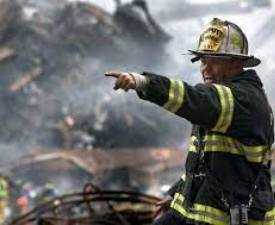
Description
Course Name: Fire & Disaster Mitigation Techniques Certification
Course Id: FDMTC/Q1001.
Eligibility: Completion of 10+2 (higher Secondary) or equivalent.
Objective: The Fire & Disaster Mitigation Techniques Certification prepares individuals for critical roles in ensuring safety and mitigating risks across industries. It provides the skills and knowledge needed to effectively manage fire hazards, implement safety measures, and respond to emergencies and disasters.
Course Duration: Three Months.
 How to Enroll and Get Certified in Your Chosen Course:
Step 1: Choose the course you wish to get certified in.
Step 2: Click on the “Enroll Now” button.
Step 3: Proceed with the enrollment process.
Step 4: Enter your billing details and continue to course fee payment.
Step 5: You will be redirected to the payment gateway. Pay the course and exam fee using one of the following methods:
Debit/Credit Card, Wallet, Paytm, Net Banking, UPI, or Google Pay.
Step 6: After successful payment, you will receive your study material login ID and password via email within 48 hours of fee payment.
Step 7: Once you complete the course, take the online examination.
Step 8: Upon passing the examination, you will receive:
• A soft copy (scanned) of your certificate via email within 7 days of examination.
• A hard copy (original with official seal and signature) sent to your address within 45 day of declaration of result.
Step 9: After certification, you will be offered job opportunities aligned with your area of interest.
Online Examination Detail:
Duration- 60 minutes.
No. of Questions- 30. (Multiple Choice Questions).
Maximum Marks- 100, Passing Marks- 40%.
There is no negative marking in this module.
| Marking System: | ||||||
| S.No. | No. of Questions | Marks Each Question | Total Marks | |||
| 1 | 10 | 5 | 50 | |||
| 2 | 5 | 4 | 20 | |||
| 3 | 5 | 3 | 15 | |||
| 4 | 5 | 2 | 10 | |||
| 5 | 5 | 1 | 5 | |||
| 30 | 100 | |||||
| How Students will be Graded: | ||||||
| S.No. | Marks | Grade | ||||
| 1 | 91-100 | O (Outstanding) | ||||
| 2 | 81-90 | A+ (Excellent) | ||||
| 3 | 71-80 | A (Very Good) | ||||
| 4 | 61-70 | B (Good) | ||||
| 5 | 51-60 | C (Average) | ||||
| 6 | 40-50 | P (Pass) | ||||
| 7 | 0-40 | F (Fail) | ||||
Key Benefits of Certification- Earning a professional certification not only validates your skills but also enhances your employability. Here are the major benefits you gain:
Practical, Job-Ready Skills – Our certifications are designed to equip you with real-world, hands-on skills that match current industry demands — helping you become employment-ready from day one.
Lifetime Validity – Your certification is valid for a lifetime — no renewals or expirations. It serves as a permanent proof of your skills and training.
Lifetime Certificate Verification – Employers and institutions can verify your certification anytime through a secure and reliable verification system — adding credibility to your qualifications.
Industry-Aligned Certification –All certifications are developed in consultation with industry experts to ensure that what you learn is current, relevant, and aligned with market needs.
Preferred by Employers – Candidates from ISO-certified institutes are often prioritized by recruiters due to their exposure to standardized, high-quality training.
Free Job Assistance Based on Your Career Interests – Receive personalized job assistance and career guidance in your preferred domain, helping you land the right role faster.
Syllabus
Fundamental of Fire Engineering: Objectives, emergency action plans, training, common protocol/ procedure, fire prevention plans, fire extinguishers, firefighting equipment, fire detection systems, employee alarm systems.
Fire Prevention & Protection: Maintaining escape routes, exit marking, emergency action plan, fire prevention plan, alarm system, evacuation, personal protection, medical assistance, portable fire extinguishers, automatic sprinkler systems.
Equipment and Appliances use in Fire Safety: Fire prevention, exit drills, fire extinguishers, types of heat energy, fire tetrahedron, fire hazards, three phases of fire, general fire safety, flammable trash cans.
Basic Concepts of Disaster Management: Flood draught, cyclone, Geographical disaster, earthquake, landslide, Global warming Ozone depletion, flood, Tsunami, mine disaster, cause and effect of disaster, cold wave and fog, disaster management plan.
Disaster Risk Management: Chemical disaster, nuclear disaster, coal fire, oil fire, evolution of disaster management India, industrial and chemical disaster, national disaster response force, national plan on disaster management, prevention of disaster in mines.
Natural Hazards Risk Management: Hazard, vulnerability and risk, hazards and disaster, Tsunami hazards and disaster, landslide hazards and disaster, flood hazards and disaster, other types of natural hazards and disaster, chemical and industrial accidents, fire hazards and risk.
Job Opportunities after completion of Fire & Disaster Mitigation Techniques Certification course:
After successful completion of the Fire & Disaster Mitigation Techniques Certification program, graduates are well-prepared to take on key roles in managing safety, health, and disaster response in various industries. This program equips students with the skills to prevent, manage, and respond to fire hazards, safety concerns, and natural and man-made disasters.
Career Options After Completing the Fire & Disaster Mitigation Techniques Certification:
- Fire Safety Officer:
- Role: Fire Safety Officers are responsible for ensuring the safety of buildings and workplaces from fire hazards. They conduct fire drills, ensure compliance with fire safety regulations, and provide fire safety training to employees.
- Settings: Factories, industrial plants, office buildings, educational institutions, government buildings, and healthcare facilities.
- Safety Officer/Manager:
- Role: Safety Officers or Managers work to ensure workplace safety in various environments. They conduct safety audits, identify potential hazards, and implement safety protocols to protect employees from accidents and injuries.
- Settings: Construction sites, factories, oil and gas industries, corporate offices, manufacturing plants.
- Disaster Management Specialist:
- Role: These professionals are involved in disaster preparedness, response, and recovery efforts. They plan and coordinate activities to mitigate the effects of natural and man-made disasters, such as earthquakes, floods, and industrial accidents.
- Settings: Government agencies, non-governmental organizations (NGOs), emergency management offices, disaster relief organizations.
- Fire Protection Engineer:
- Role: Fire Protection Engineers design systems and structures to prevent fires and protect lives and property. They are responsible for designing fire alarm systems, sprinkler systems, and fire-resistant materials and ensuring compliance with fire safety codes.
- Settings: Construction companies, engineering firms, insurance companies, fire protection equipment manufacturers.
- Industrial Safety Engineer:
- Role: Industrial Safety Engineers focus on safety protocols in industrial settings. They identify risks related to machinery, equipment, and working conditions, and develop strategies to prevent accidents and improve safety.
- Settings: Manufacturing plants, chemical plants, power plants, mining operations, and large industrial sites.
- Emergency Response Coordinator:
- Role: Emergency Response Coordinators oversee the planning and implementation of emergency plans and procedures in the event of an accident, natural disaster, or terrorist attack. They coordinate with first responders and other organizations to ensure a swift and effective response.
- Settings: Government agencies, large organizations, emergency services, disaster relief agencies.
- Risk Manager:
- Role: Risk Managers are responsible for identifying potential risks to an organization and implementing strategies to mitigate them. They assess risks in areas such as fire hazards, health and safety, and environmental hazards.
- Settings: Large corporations, construction firms, insurance companies, government agencies.
- Health and Safety Advisor:
- Role: These advisors are responsible for providing advice and guidance on workplace health and safety matters. They help implement policies that prevent accidents, injuries, and illnesses in the workplace.
- Settings: Corporations, factories, construction companies, public services.
- Environmental Safety Officer:
- Role: Environmental Safety Officers focus on ensuring that organizations comply with environmental safety laws and regulations. They monitor the environmental impact of activities, including waste management, pollution control, and emergency responses to environmental hazards.
- Settings: Environmental agencies, construction companies, government bodies, environmental consultancies.
- Fire Safety Trainer:
- Role: Fire Safety Trainers conduct training sessions and workshops on fire safety and emergency preparedness. They teach employees and community members how to respond in case of a fire and how to use fire extinguishers and other safety equipment.
- Settings: Training institutes, corporate organizations, fire departments, educational institutions.
- Rescue Operations Coordinator:
- Role: Rescue Operations Coordinators lead and manage rescue operations in the aftermath of disasters or accidents. They coordinate with other emergency responders to provide immediate assistance and ensure the safety of those affected.
- Settings: Disaster relief organizations, emergency services, government agencies, non-profits.
- Insurance Risk Assessor:
- Role: These professionals assess the potential risk to properties and businesses to determine insurance coverage and pricing. They may specialize in evaluating fire hazards, disaster preparedness, and risk mitigation strategies.
- Settings: Insurance companies, risk management firms, government agencies.
- Firefighting Specialist:
- Role: Firefighting specialists are trained to respond to fire emergencies in various settings, including buildings, industrial plants, forests, and more. They may also provide fire safety training and support during disaster response operations.
- Settings: Fire departments, oil refineries, large construction sites, government agencies.
- Civil Defense Officer:
- Role: Civil Defense Officers focus on protecting citizens from the effects of disasters, war, and other emergencies. They help coordinate evacuation plans, maintain emergency supplies, and oversee public safety during crises.
- Settings: Government defense agencies, disaster relief organizations, emergency services.
- Disaster Recovery Consultant:
- Role: These consultants help businesses and organizations recover after a disaster. They assist in damage assessment, business continuity planning, and the implementation of recovery strategies.
- Settings: Consulting firms, corporate organizations, disaster management firms, insurance companies.
- Fire Marshal:
- Role: Fire Marshals ensure compliance with fire safety regulations and laws. They conduct inspections, investigate fire incidents, and enforce fire prevention measures in both residential and commercial properties.
- Settings: Fire departments, government agencies, insurance companies.
- Crisis Management Consultant:
- Role: These professionals provide expert advice to organizations and governments in preparing for and responding to crises, including natural disasters, industrial accidents, and other emergencies.
- Settings: Consulting firms, multinational corporations, government agencies, NGOs.
- Public Safety Official:
- Role: Public safety officials are responsible for ensuring the safety and well-being of the public during emergencies. They may work in areas such as fire safety, law enforcement, and emergency medical services.
- Settings: Government bodies, emergency services, public health departments.
- Environmental Health and Safety (EHS) Manager:
- Role: EHS Managers ensure that organizations comply with environmental and safety regulations, including those related to fire safety, chemical handling, and disaster preparedness.
- Settings: Large industries, manufacturing plants, environmental agencies, government bodies.
- Fire Safety Consultant:
- Role: Fire Safety Consultants advise organizations on fire prevention strategies, emergency planning, and compliance with safety regulations. They may also conduct audits and risk assessments to ensure safety standards are met.
- Settings: Consulting firms, government agencies, large enterprises, construction companies.
Salary Range for Graduates of the Fire & Disaster Mitigation Techniques Certification:
The salary for professionals in fire and safety and disaster management can vary depending on experience, job type, location, and industry. Here’s an approximate salary range:
- Entry-Level Positions (0-3 years of experience):
- Salary Range: ₹3 LPA – ₹5 LPA
- Fresh graduates working as safety officers, fire safety assistants, or disaster management trainees can expect salaries ranging from ₹3 lakh to ₹5 lakh annually.
- Mid-Level Positions (3-7 years of experience):
- Salary Range: ₹5 LPA – ₹8 LPA
- Professionals with several years of experience in roles like fire safety officers, disaster management coordinators, or industrial safety managers can earn between ₹5 lakh and ₹8 lakh annually.
- Senior-Level Positions (7+ years of experience):
- Salary Range: ₹8 LPA – ₹15 LPA (or more)
- Experienced professionals in leadership roles, such as fire safety consultants, emergency response coordinators, or safety managers, can earn ₹8 lakh to ₹15 lakh or more annually.
- Private Sector (Consultants/Contractual Roles):
- Salary Range: ₹6 LPA – ₹20 LPA
- Professionals working as fire safety consultants, risk assessors, or disaster recovery experts in the private sector may have salaries ranging from ₹6 lakh to ₹20 lakh annually, depending on their experience and expertise.
- Government and NGO Roles:
- Salary Range: ₹4 LPA – ₹10 LPA
- Graduates working in government or NGO roles, providing disaster management services or fire safety support, can earn between ₹4 lakh and ₹10 lakh annually.
Industries and Sectors for Career Opportunities:
- Fire Departments and Emergency Services
- Construction and Engineering Firms
- Oil and Gas Industry
- Manufacturing and Heavy Industries
- Environmental Agencies and NGOs
- Government Agencies (Police, Civil Defense, etc.)
- Insurance and Risk Management Companies
- Educational Institutions (Fire Safety Training Centers)
- Corporate Sector (Risk Management, HR, Safety Departments)
Conclusion:
Graduates of the Fire & Disaster Mitigation Techniques Certification program have access to a wide range of career opportunities in fire safety, disaster management, industrial safety, and emergency response. As the demand for safety professionals continues to grow across industries, this program provides a solid foundation for a rewarding career that contributes significantly to public safety and risk management.

